Tariff negotiations between Korea and the United States remain deadlocked, raising concerns for Korean exporters as talks show signs of dragging on.
한국과 미국 간의 관세 협상은 여전히 교착 상태에 머물고 있어 협상 지연의 조짐이 보이면서 한국 수출업체들 사이에서 우려가 커지고 있다.
Trade Minister Yeo Han-koo, Korea’s chief trade negotiator, returned on Friday from a four-day trip to Washington and told reporters, “We explained in detail why Japan and Korea are different.”
한국의 수석 무역협상 대표인 여한구 무역장관은 금요일 워싱턴에서의 4일 간 방문을 마치고 기자들에게 “일본과 한국이 왜 다른지에 대해 자세히 설명했다”고 말했다.
Korea and the United States reached a trade deal in late July to reduce mutual tariffs and auto tariffs from 25 percent to 15 percent, with Korea pledging $350 billion in U.S. investment.
한국과 미국은 7월 말에 상호 간 관세와 자동차 관세를 각각 25%에서 15%로 낮추는 무역 합의에 도달했으며, 한국은 미국에 대한 투자를 3,500억 달러 약정했다고 발표했다.
But disagreement persists over the investment structure. The United States wants Korea to adopt an equity-based approach similar to Japan’s, while Korea seeks to reduce its burden through guarantees.
그러나 투자 구조를 둘러싼 이견은 여전히 남아 있다. 미국은 일본과 유사한 지분 기반의 접근 방식을 한국이 채택하기를 원하는 반면, 한국은 보장을 통해 부담을 줄이고자 한다.
Japan, which concluded its talks first, pledged $550 billion in investment and signed a memorandum of understanding (MOU) giving the United States control over investment decisions and 90 percent of profits, with 50 percent before capital recovery. In return, Washington cut tariffs on Japanese cars from 27.5 percent to 15 percent starting Sept. 16, giving Japanese vehicles a 10 percentage-point advantage over Korean ones.
협상을 먼저 마친 일본은 5,500억 달러의 투자를 약속했고, 미국이 투자 결정에 대한 지배권과 이익의 90%를 가질 수 있도록 하는 양해각서(MOU)에 서명했다. 자본 회수 전이었던 이익의 50%를 먼저 지급하는 조건이다. 이에 대한 보상으로 워싱턴은 일본산 자동차에 대한 관세를 9월 16일부터 27.5%에서 15%로 인하해 일본 차가 한국 차에 비해 10%포인트의 우위를 확보했다.
Last Friday, U.S. Commerce Secretary Howard Lutnick warned Korea to “accept the deal or pay the tariffs,” increasing pressure.
지난 금요일 미국 상무장관 하워드 루트닉은 한국에 대해 “합의를 받아들이든지 관세를 내라”고 경고하며 압박을 강화했다.
President Lee Jae Myung also pushed back in a recent TIME Magazine interview, saying of the $350 billion fund that the United States demands were so strict that “if I were to agree then I would be impeached.”
이재명 대통령도 최근 타임지 인터뷰에서 미국이 요구하는 3,500억 달러 기금에 대해 “그 제안에 동의하면 탄핵당할 정도로 엄격하다”고 말했다고 반박했다.
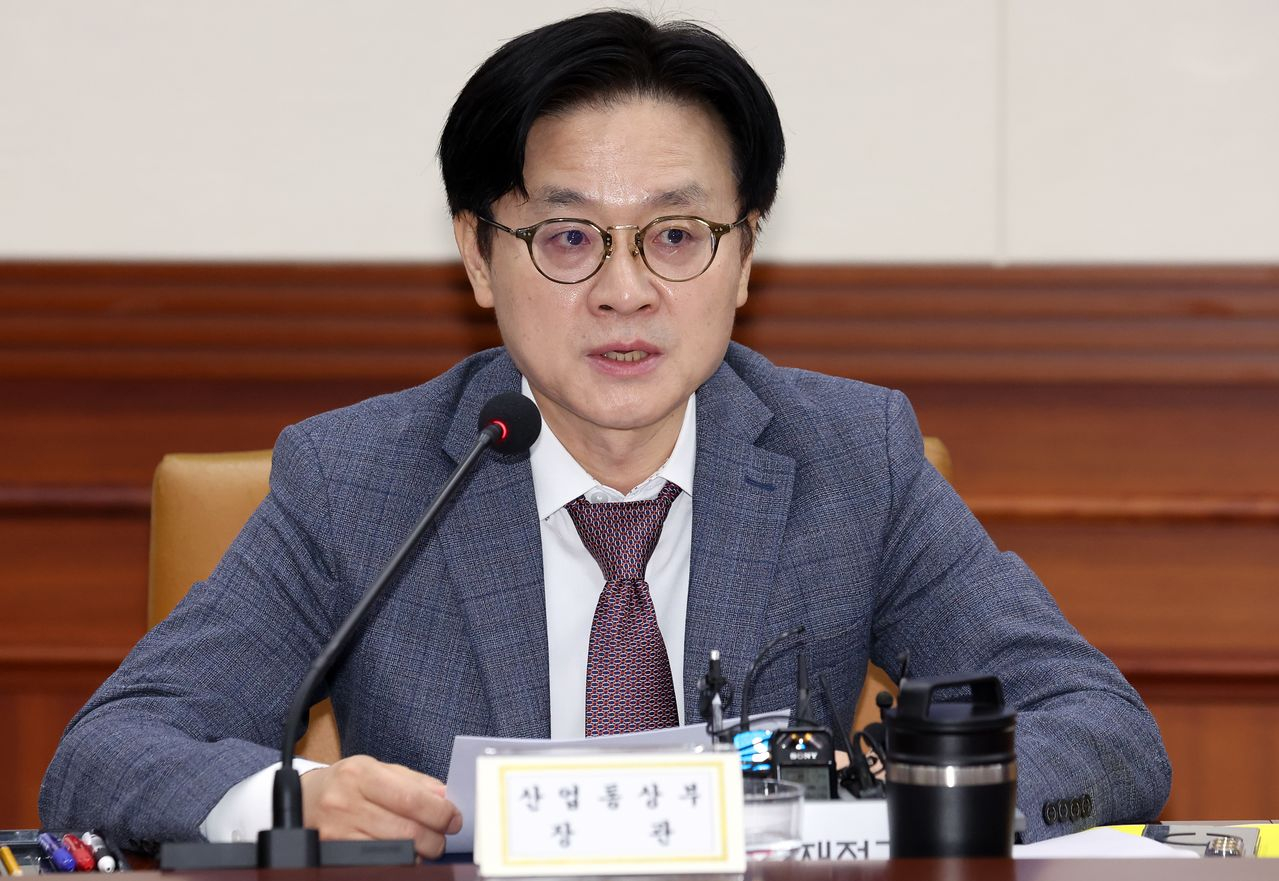
![Industry Minister Kim Jung-kwan attends a steel industry meeting held at Posco's headquarters in Pohang, North Gyeongsang on Sept. 19. [MINISTRY OF TRADE, INDUSTRY AND ENERGY]](https://www.newstheone.com/wp-content/uploads/2025/10/1760081377_13_워싱턴에서-돌아온-한국-무역협상가-관세-협상은-여전히-교착-상태.jpg)
Industry Minister Kim Jung-kwan said at a Tuesday press briefing that while he sometimes shared the sentiment that “it would be better to scrap the deal than hand over $350 billion for tariff relief,” he still believed concluding the talks was essential for Korea’s long-term relationship with the United States.
산업통상자원부 장관 김정관은 화요일 기자간담회에서 “관세 완화를 위해 3,500억 달러를 넘겨주느니 협정을 파기하는 편이 낫다”는 감정을 때때로 공유하곤 했지만, 협상을 마무리하는 것이 한국과 미국 간의 장기적 관계에 여전히 필수적이라고 믿고 있다고 말했다.
The government has communicated to Washington that investing most of the $350 billion in cash could destabilize Korea’s foreign exchange market. Discussions are also underway on a possible unlimited currency swap to ease the impact.
정부는 워싱턴에 3,500억 달러 중 다수를 현금으로 투자하는 것이 한국의 외환시장에 불안을 초래할 수 있다고 전달했다. 영향 완화를 위한 무제한 통화스와프 가능성에 대해서도 논의가 진행 중이다.
“We have presented objective data and analysis to show how Korea differs from Japan, and we are doing our utmost to protect national interests,” Yeo said.
“한국이 일본과 어떻게 다른지에 대한 객관적 자료와 분석을 제시했으며, 국익을 지키기 위해 최선을 다하고 있다”고 여한구 장관은 말했다.
The prolonged talks have heightened calls for countermeasures, particularly as Korea’s steel industry struggles under a 50 percent U.S. tariff.
장기간의 협상은 대응책 요구를 더욱 높이고 있으며, 특히 한국의 철강 산업이 미국의 50% 관세 아래에서 어려움을 겪고 있기 때문이다.
![Steel products are seen piled up at a port in Pyeongtaek, Gyeonggi on Aug. 24. [YONHAP]](https://www.newstheone.com/wp-content/uploads/2025/10/1760081378_769_워싱턴에서-돌아온-한국-무역협상가-관세-협상은-여전히-교착-상태.jpg)
Visiting Pohang on Friday, Kim met executives of major steelmakers including Posco, Hyundai Steel and Dongkuk Steel, and announced the creation of a new guarantee program worth about 400 billion won ($286.7 million) to support companies in partnership with the financial sector.
금요일 포항을 방문한 김 장관은 포스코, 현대제철, 동국제강 등 주요 제철사 경영진을 만났고 금융 부문과의 협력하에 기업 지원을 위한 신규 보증 프로그램을 약 4,000억 원 규모로 조성하겠다고 발표했다(약 2억 8,670만 달러).
Steel was the first sector hit by tariffs under U.S. President Donald Trump’s second administration. In March, Washington imposed 25 percent tariffs on steel and aluminum imports, doubling them to 50 percent in June.
철강은 도널드 트럼프 미국 대통령의 제2기 행정부 하에서 관세의 첫 번째 대상이 되었다. 3월에 워싱턴은 철강과 알루미늄 수입에 25%의 관세를 부과했고, 6월에는 이를 50%로 두 배로 올렸다.
As a result, Korea’s steel exports to the United States fell 15.8 percent in the January to August period to $25.2 billion, compared with $26.5 billion a year earlier.
그 결과 한국의 미국으로의 철강 수출은 1월부터 8월까지 지난해 같은 기간 대비 15.8% 감소한 252억 달러로 집계됐다(작년은 265억 달러).
“We strongly pushed for steel tariff exemptions during negotiations but could not secure them,” said Kim during the meeting with steel industry executives. “We ask for your understanding and we will continue pressing the United States for relief, while strengthening defenses against unfair imports such as rerouted dumping.”
김 장관은 철강업계 경영진과의 회의에서 “협상 과정에서 철강 관세 면제를 강하게 요구했지만 확보하지 못했다”고 말했다. “여러분의 양해를 부탁드리며, 미국의 구제 조치를 계속 요청하는 한편, 재경유 덤핑과 같은 불공정 수입에 대한 방어를 강화하겠다”고 덧붙였다.
“Through the Steel Industry Competitiveness Task Force launched in January, we are consulting experts and industry representatives,” said an Industry Ministry official. “Based on these discussions and inter-ministerial coordination, we will finalize an ‘industrial upgrade plan’ for the steel sector.”
“1월에 시작된 철강 산업 경쟁력 태스크포스를 통해 전문가와 업계 대표들과 자문하고 있다”고 산업부 관계자는 말했다. “이 논의와 부처 간 조정을 바탕으로 철강 부문의 ‘산업 고도화 계획’을 최종 확정할 예정이라고 밝혔다.”
BY KIM WON [
[email protected]
]